For the first time, IEEE VIS was complemented by satellite events, and Raimund Dachselt, Julián Méndez and Julian Baader attended the very first IEEE VIS satellite in Paris, held alongside the main conference in Boston from November 9th to 13th.
The Interactive Media Lab Dresden (Chair of Multimedia Technology) at the Institute of Software and Multimedia Technology of the Faculty of Computer Science at TU Dresden was established in April 2012 and is led by Prof. Raimund Dachselt.
The Interactive Media Lab at the Technische Universität Dresden is conducting research primarily in the field of modern Human-Computer Interaction and interactive Information Visualization. Our main focus are natural user interfaces, in particular the development of interaction techniques and data visualization approaches using various interaction modalities (multitouch, pen, gaze, tangibles, gestures) and their combination. Typical research setups are multi-display and Mixed Reality environments as well as wearables for augmenting humans. We apply our basic research results to several application domains, like biology, medicine and cyber-physical systems, and develop domain-specific solutions.
We are pleased to present exciting topics and results of our research and teaching activities. At Research you can find information about the Publications, Research Projects as well as our Partners. In the section Teaching we provide information about current Courses and Thesis Topics of the chair.
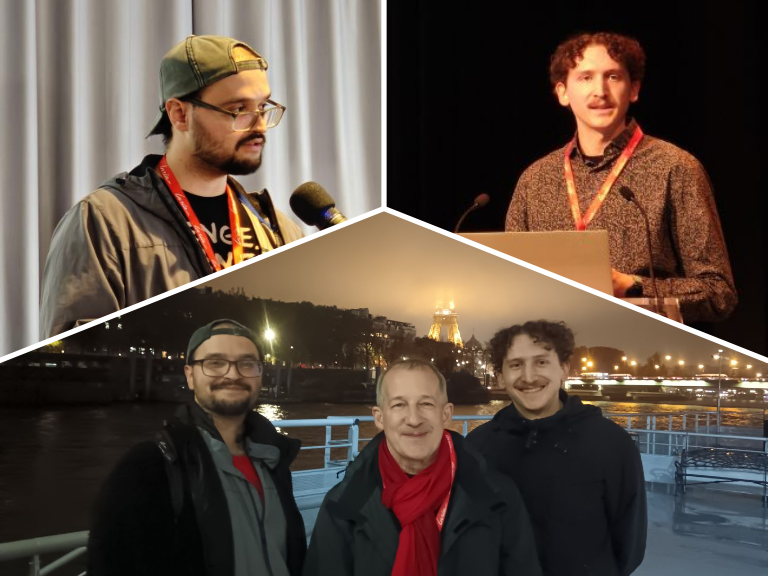
For the first time, IEEE VIS was complemented by satellite events, and Raimund Dachselt, Julián Méndez and Julian Baader attended the very first IEEE VIS satellite in Paris, held alongside the main conference in Boston from November 9th to 13th.
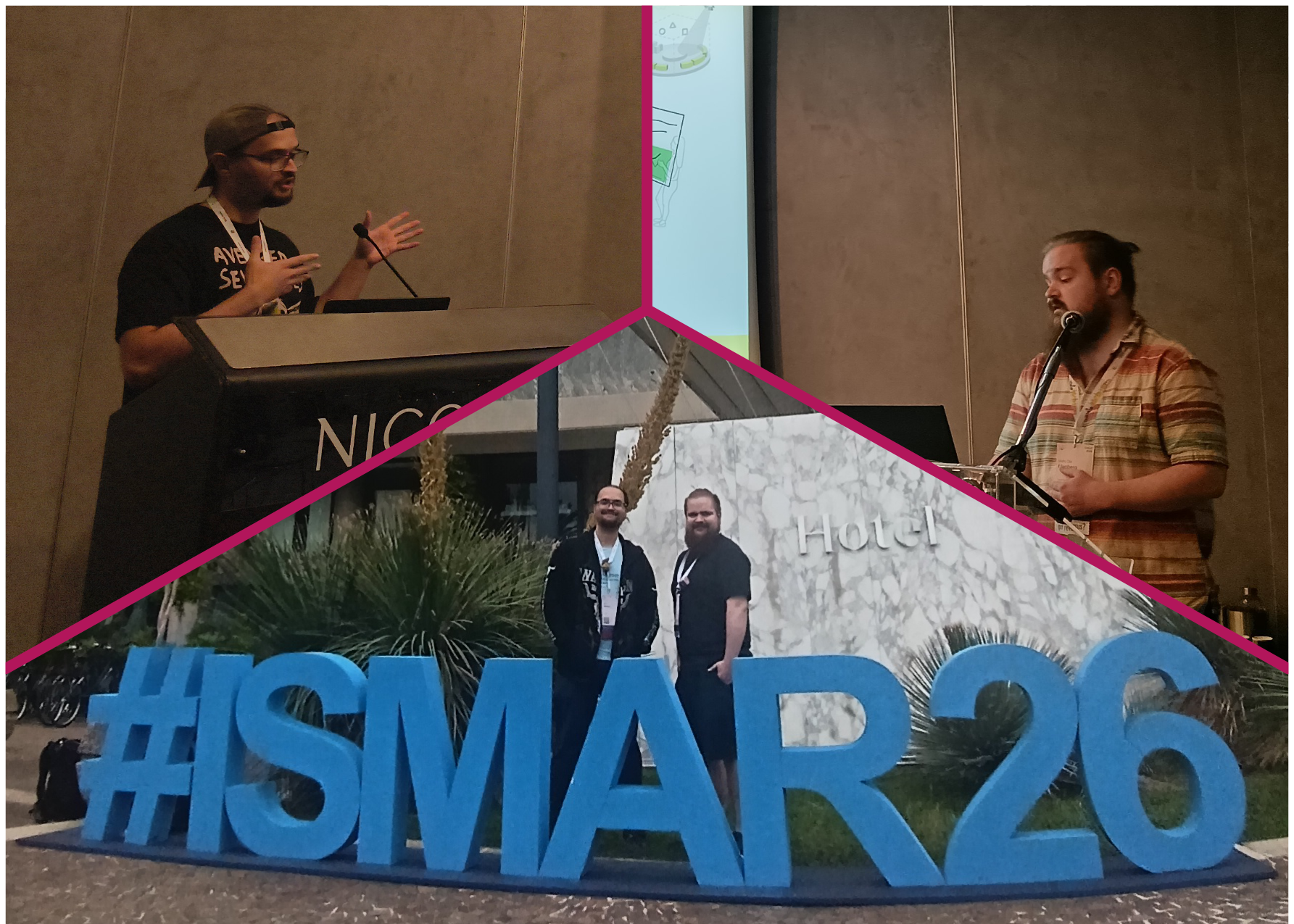
This year, the 25th IEEE International Symposium on Mixed and Augmented Reality (ISMAR) took place in Bari. From October 5 to 9, researchers, designers, and experts exchanged ideas on innovations in the field of mixed and augmented reality.
The Interactive Media Lab Dresden contributed a paper to the TVCG ISMAR Special Issue and was involved in a TVCG paper presented at the conference. The lab was represented at the event by Julián Méndez and Mats Ole Ellenberg.
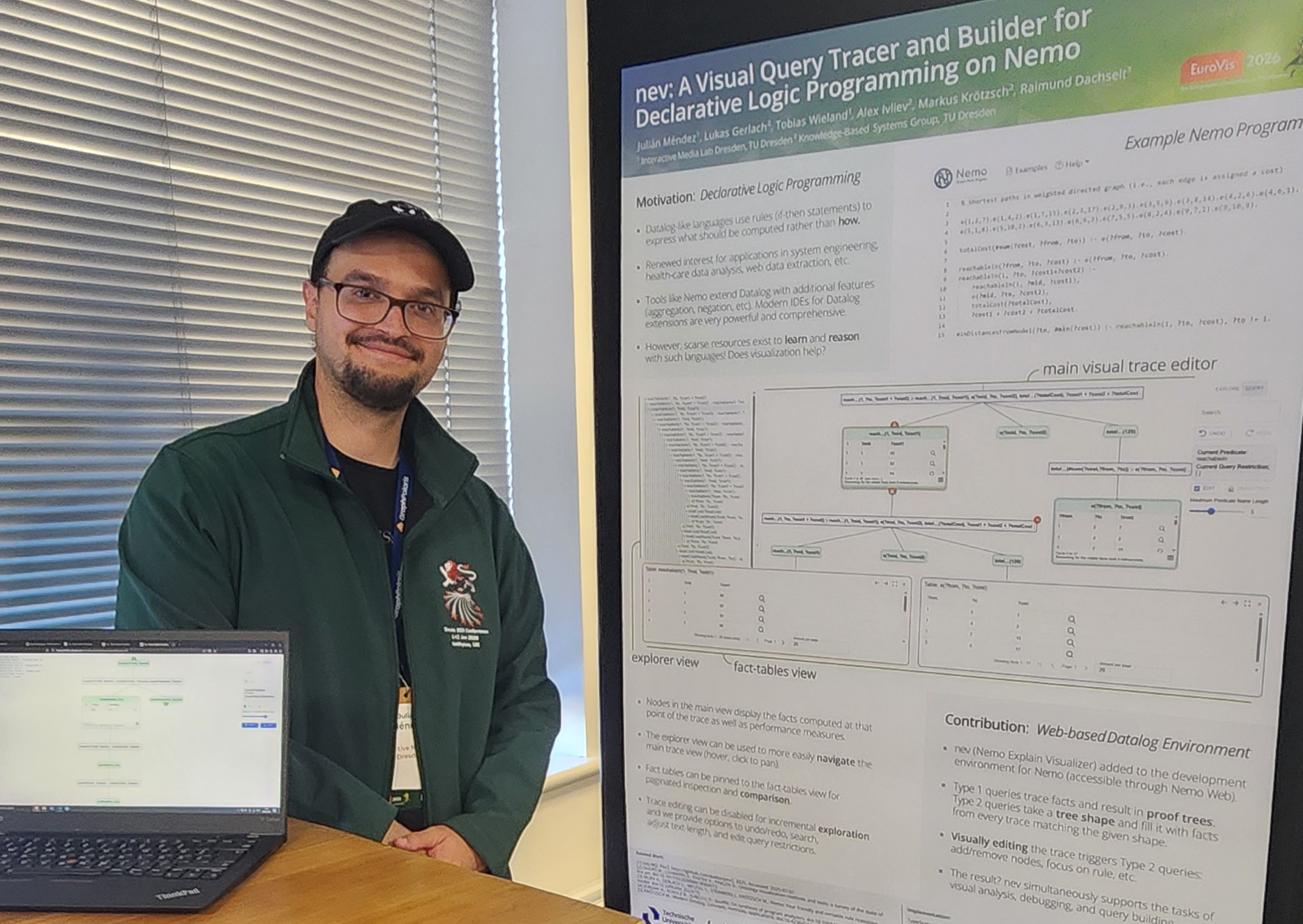
EuroVis 2026 returned, after more than a decade, to the islands of the UK. The historic Nottingham hosted the 28th Eurographics Conference on Visualization from June 8 to 12. Two works of our lab were presented at this event. On the one hand, Benjamin Russig presented the full paper “Tubes or Ribbons? Comparing Texture-space Visualization for Multivariate Line Data”. On the other hand, Julián Méndez presented “nev: A Visual Query Tracer and Builder for Declarative Logic Programming on Nemo” as a poster and demo.
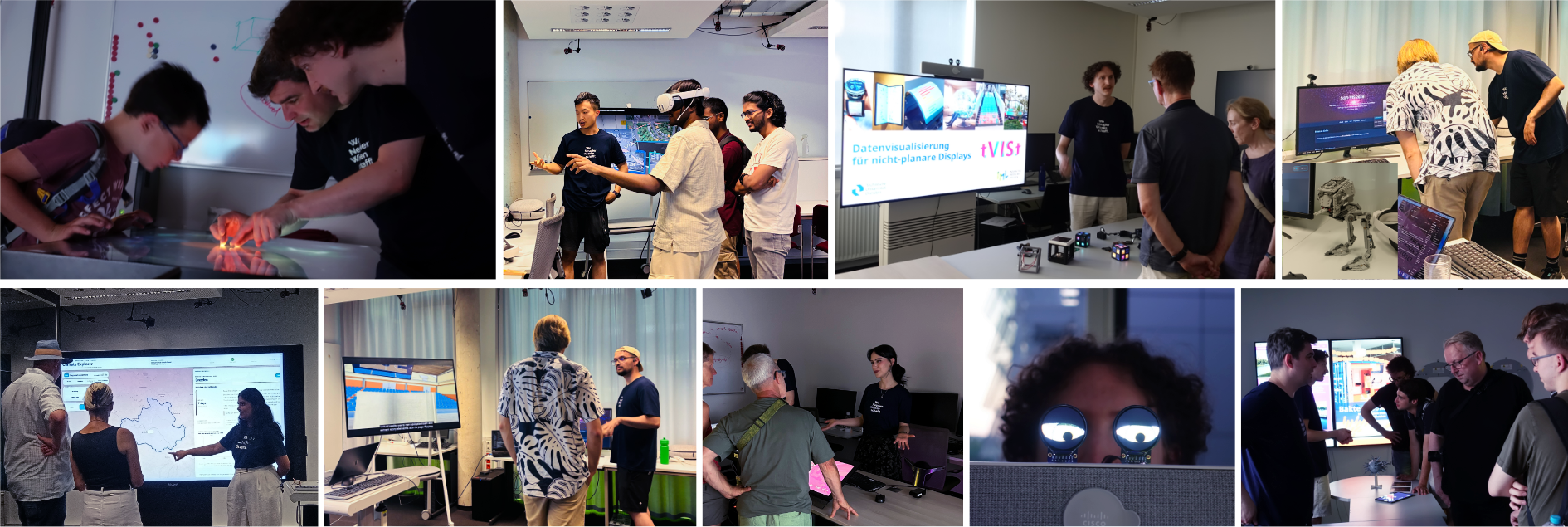
Despite the record-breaking heat, this year’s Long Night of Science once again brought many visitors to the Interactive Media Lab, giving us the opportunity to share our latest research and projects.
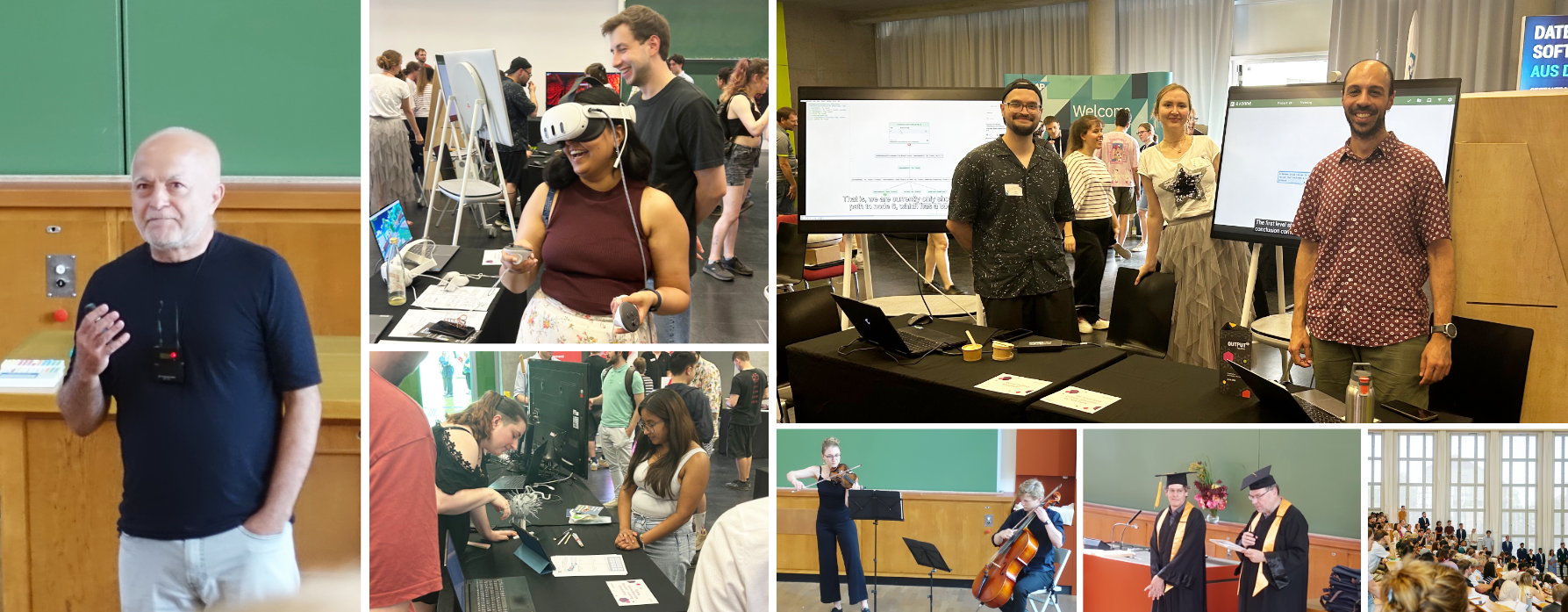
This year’s OUTPUT once again featured a variety of student projects from our Interactive Media Lab, as well as an award for an excellent thesis.
Talks of renowned researchers and people from the industry about human computer interaction, visualization, and visual computing.